Seasonal Dry Eye: How Weather and Allergies Make Symptoms Worse
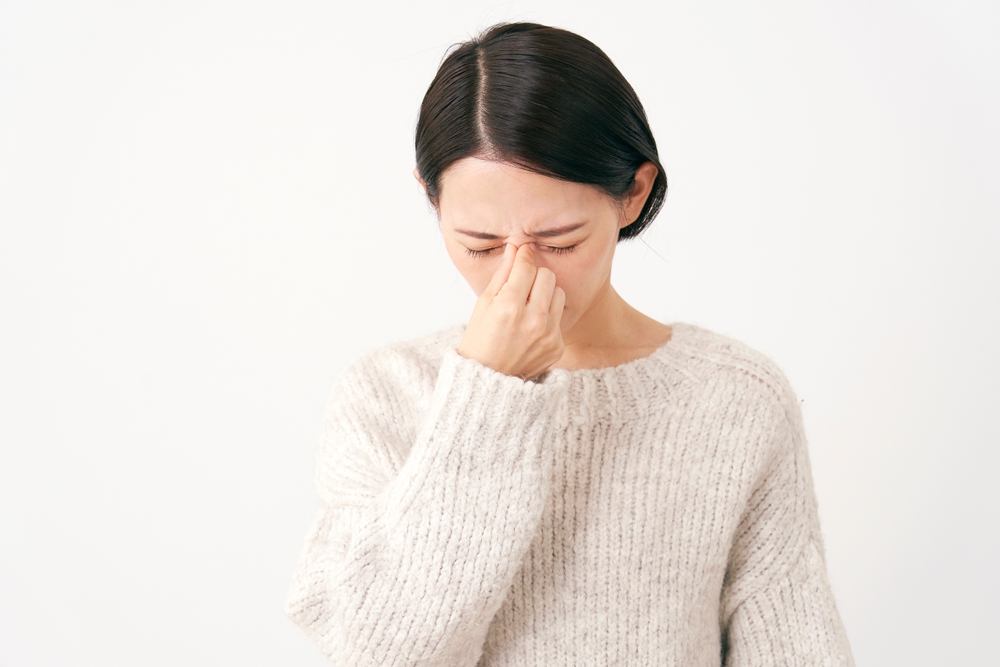
Dry eye is not always the same from month to month. In Sacramento, changes in weather, pollen levels, wind, and indoor air can all affect how comfortable your eyes feel. Some patients notice more burning, watering, redness, or irritation during allergy season, while others feel symptoms worsen when the air becomes dry or smoky.
At Eyes of East Sacramento, we look at how your environment, tear quality, and eyelid health may be contributing to seasonal dry eye symptoms.
How Weather Affects Your Tear Film
Your tear film helps keep the front surface of the eye smooth, hydrated, and protected. When the air is dry, windy, or filled with irritants, tears can evaporate faster than normal. This can leave the eyes feeling gritty, tired, or sensitive.
Seasonal changes in Sacramento may also lead to more time indoors with heating or air conditioning, which can reduce moisture in the air. Even if you use artificial tears, symptoms may keep returning if the underlying cause of tear instability is not addressed.
Allergies And Dry Eye Often Overlap
Seasonal allergies can make dry eye symptoms more noticeable. Pollen and other allergens can trigger inflammation, itching, redness, and watery eyes. While watery eyes may seem like the opposite of dryness, it can happen when the eyes are irritated and producing reflex tears that do not provide lasting moisture.
This overlap can make it difficult to know whether symptoms are from allergies, dry eye, or both. A dry eye evaluation can help us identify the difference and recommend care that fits your needs.
Common Seasonal Dry Eye Triggers
Many everyday factors can make seasonal dry eye worse, especially during high-allergy or dry-weather months. These may include:
- Wind, pollen, dust, or smoke exposure
- Air conditioning, heating, or low indoor humidity
- Increased screen time and reduced blinking
- Contact lens discomfort during allergy season
- Eye rubbing from itching or irritation
- Poor tear quality related to eyelid inflammation
Understanding your triggers can help us create a more personalized plan for relief.
Why Over-The-Counter Drops May Not Be Enough
Artificial tears can help temporarily, but they may not solve the full problem. Dry eye can be linked to inflammation, meibomian gland dysfunction, tear evaporation, or eyelid irritation. If symptoms keep coming back, it may be time to look deeper.
At our Sacramento dry eye clinic, we may recommend options such as therapeutic drops, eyelid hygiene, contact lenses for dry eyes, punctal plugs, OptiLight by Lumenis, or Ocusoft Thermal One Touch, depending on what we find during your evaluation.
When To Schedule A Dry Eye Evaluation
If seasonal dry eye is affecting your comfort, vision, or ability to wear contact lenses, it is worth scheduling an exam. Dry eye can become more persistent when left untreated, and seasonal flare-ups may be a sign that the surface of the eye needs more support.
We can evaluate your symptoms, discuss your daily habits, and recommend treatment options designed to help protect your eyes through Sacramento’s changing seasons.
To schedule a dry eye evaluation, contact Eyes of East Sacramento in Sacramento, CA at 3315 Folsom Blvd by calling (916) 915-0500.


Contact Info
Hours of Operation
- Monday 9:00AM - 12:15PM.
1:30PM - 5:30PM - Tuesday 9:00AM - 12:15PM.
1:30PM - 5:30PM - Wednesday 9:00AM - 12:15PM.
1:30PM - 5:30PM - Thursday 10:00AM - 12:15PM.
1:30PM - 6:00PM - Friday 9:00AM - 12:15PM.
1:30PM - 5:30PM - Saturday Closed
- Sunday Closed
© 2026 Eyes of East Sacramento. All rights Reserved. Accessibility Statement - Privacy Policy - Sitemap
Powered by: