Blog list
Blog List
Learn more about Optometry in our blog!

Artificial tears can provide welcome relief when your eyes feel dry, gritty, or irritated. But if you are reaching for eye drops several times a day and the discomfort keeps returning, the problem may involve more than a temporary lack of moisture.
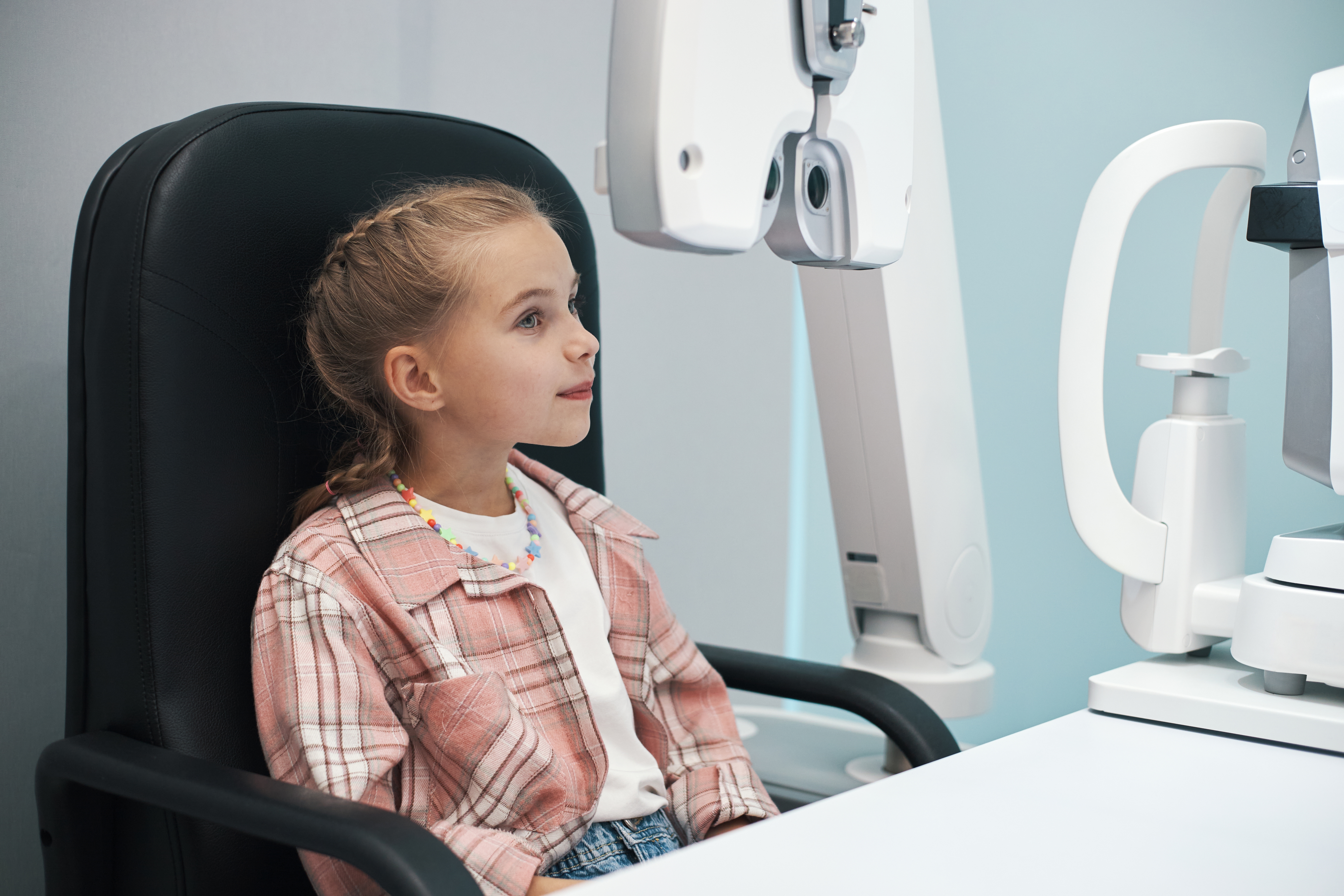
If your child’s glasses prescription seems to get stronger every year, myopia management may help address more than blurry distance vision. Myopia, or nearsightedness, often progresses during childhood as the eye continues to grow. At Eyes of East Sacramento, we provide pediatric eye care and myopia management to help Sacramento families monitor these changes and find an appropriate strategy for slowing progression.

Sacramento summers bring intense sun, long dry days, and plenty of outdoor time. Whether you are driving through East Sacramento, walking near McKinley Park, biking along the river, or spending weekends outside, your eyes are exposed to more ultraviolet radiation than you may realize. Over time, that UV exposure can contribute to early cataract development and other eye health concerns.
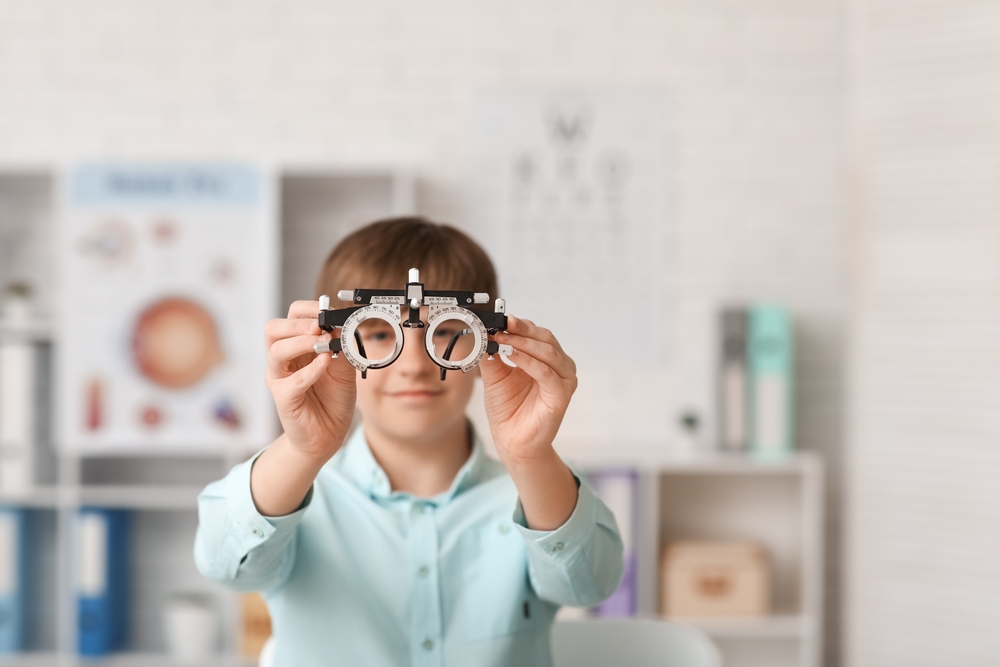
Myopia, or nearsightedness, is becoming more common in children, and it often progresses during the school years. At Eyes of East Sacramento, we help families in Sacramento understand why early myopia control matters and how proactive care can support a child’s long-term vision.

Dry eye is not always the same from month to month. In Sacramento, changes in weather, pollen levels, wind, and indoor air can all affect how comfortable your eyes feel. Some patients notice more burning, watering, redness, or irritation during allergy season, while others feel symptoms worsen when the air becomes dry or smoky.
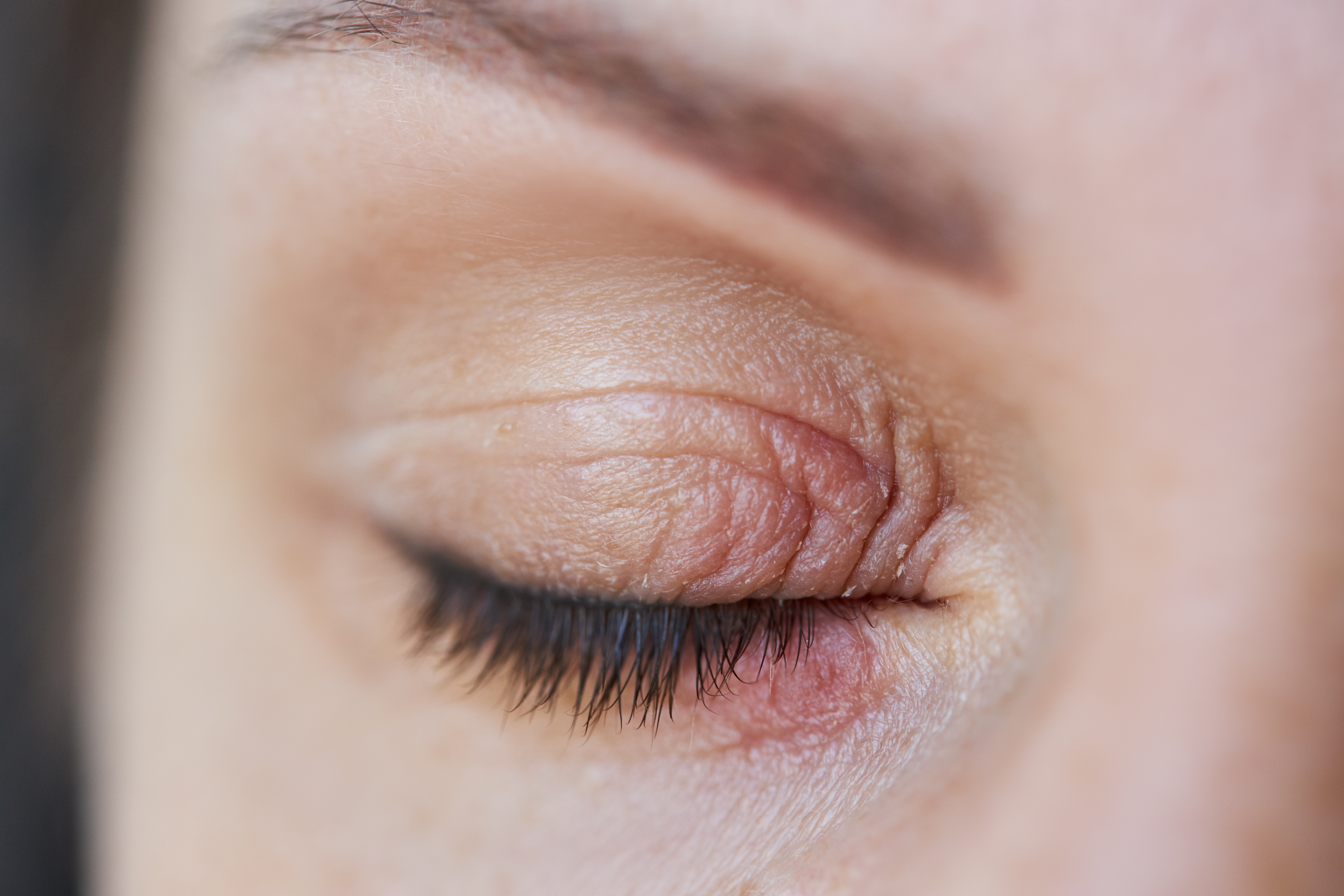
Dry eye can have more than one cause, but inflammation along the eyelid margin is often part of the problem. When oil glands in the eyelids are not working properly, the tear film can become unstable and symptoms like burning, irritation, redness, and fluctuating vision may follow. Eyelid scrubs are often recommended as part of a dry eye care routine.
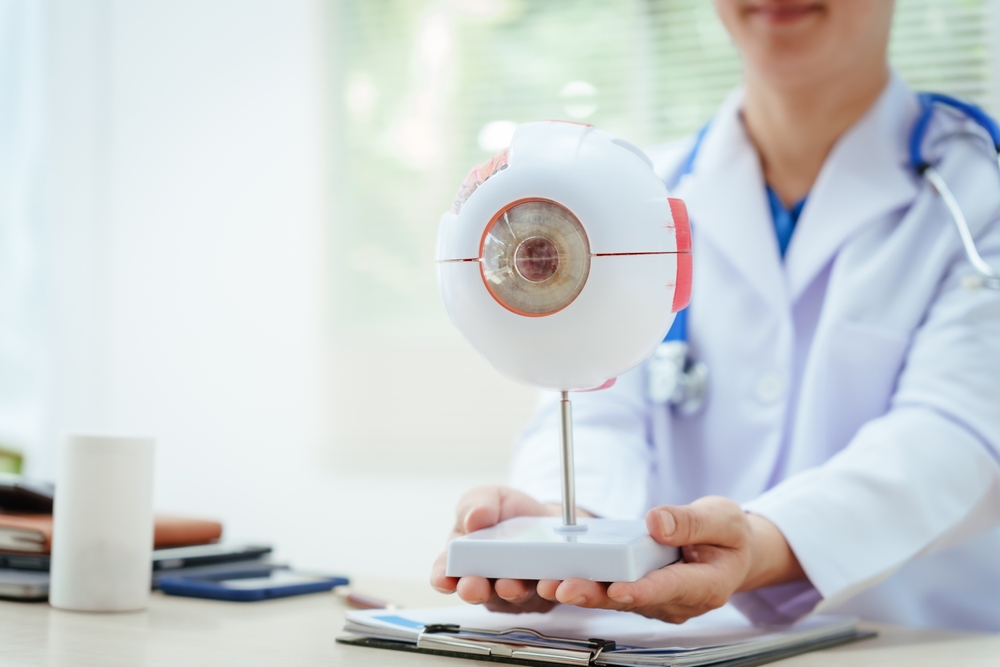
High myopia is more than a stronger glasses prescription. It usually means the eye has grown longer than normal, which can place extra stress on the tissues inside the eye. As that stretching increases, the risk of serious eye disease can also rise. At Eyes of East Sacramento, we help patients in Sacramento understand that high myopia is not just about blurry distance vision - it is also an important long-term eye health concern.
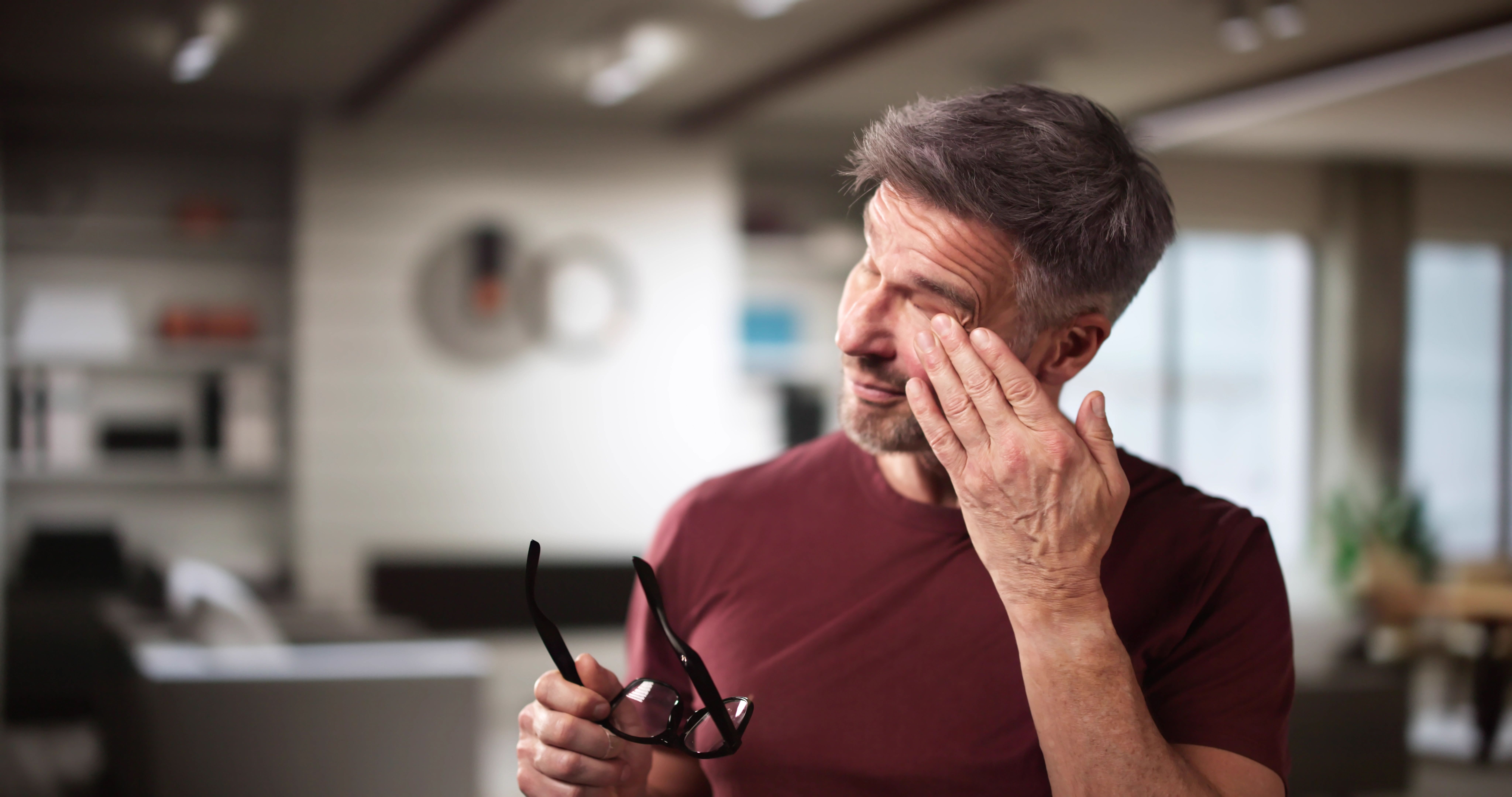
Dry eye is a common condition that can range from mildly annoying to significantly disruptive. At Eyes of East Sacramento, we take a comprehensive approach to diagnosing and treating dry eye - offering everything from targeted therapeutic drops to advanced in-office treatments designed to address the root cause, not just the symptoms.

Clear vision plays an important role in a child’s success at school, sports, and everyday life. One vision condition we’re seeing more often in local children is myopia, also known as nearsightedness. Because myopia can develop at a young age and progress quickly during childhood, knowing the early signs and when to schedule an eye exam can help protect your child’s vision for years to come.
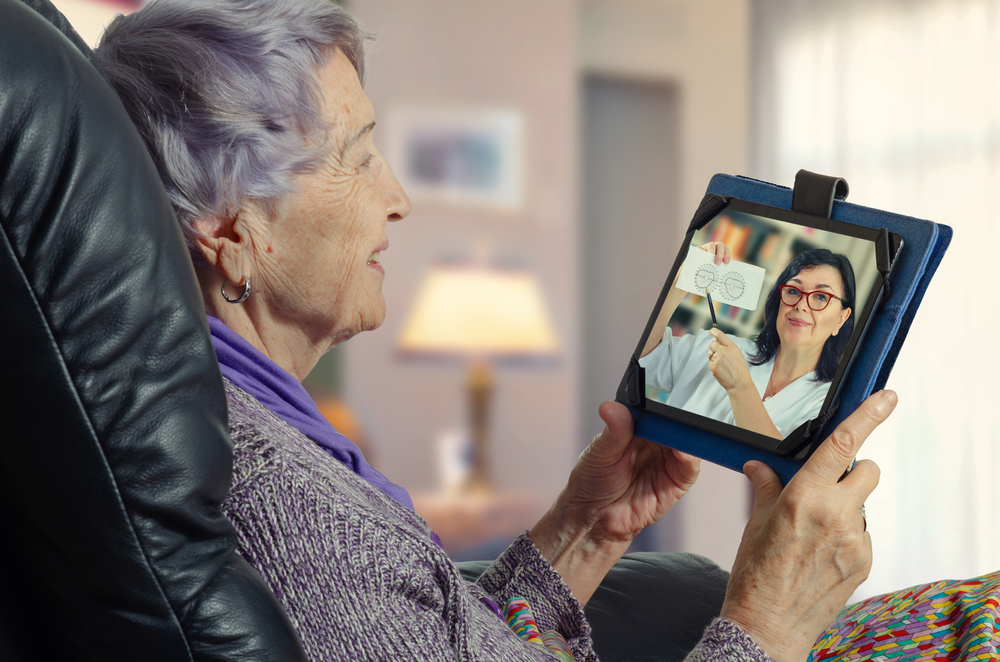
Telehealth has become an important part of modern healthcare, and eye care is no exception. At Eyes of East Sacramento, telehealth eye appointments can be a convenient option for certain concerns, allowing patients to connect with their eye doctor without coming into the office.


Contact Info
Hours of Operation
- Monday 9:00AM - 12:15PM.
1:30PM - 5:30PM - Tuesday 9:00AM - 12:15PM.
1:30PM - 5:30PM - Wednesday 9:00AM - 12:15PM.
1:30PM - 5:30PM - Thursday 10:00AM - 12:15PM.
1:30PM - 6:00PM - Friday 9:00AM - 12:15PM.
1:30PM - 5:30PM - Saturday Closed
- Sunday Closed
© 2026 Eyes of East Sacramento. All rights Reserved. Accessibility Statement - Privacy Policy - Sitemap
Powered by: